Panic Bar Repair Vancouver: Do You Need Service?
If your commercial panic bar is difficult to operate, loose, damaged, noisy, or failing to latch properly, it should be inspected before the problem becomes a complete failure.
Dutch Door Hardware Ltd. provides commercial panic bar repair, exit device service, hardware replacement, and related steel-door modifications throughout Vancouver and the Lower Mainland.
Send photos of the complete door and frame, panic bar, hinges, closer, strike, and any visible damage. Clear photos can help determine whether the opening requires a simple adjustment, hardware repair, replacement, steel-door modification, or an on-site assessment.
Examples of Our Commercial Panic Bar Repair Work
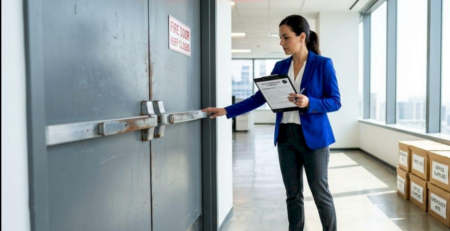
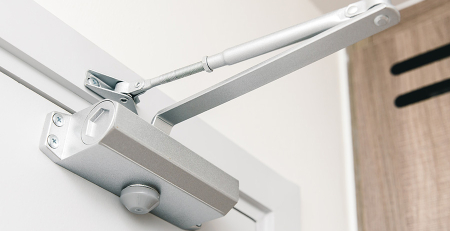
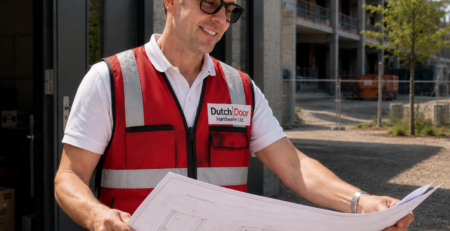
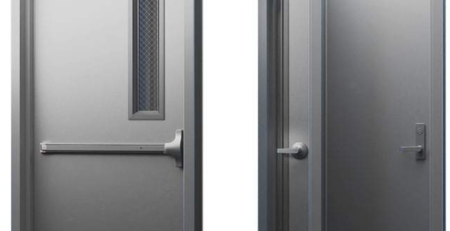
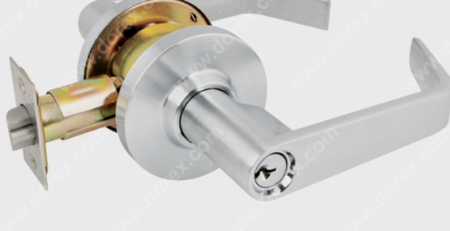
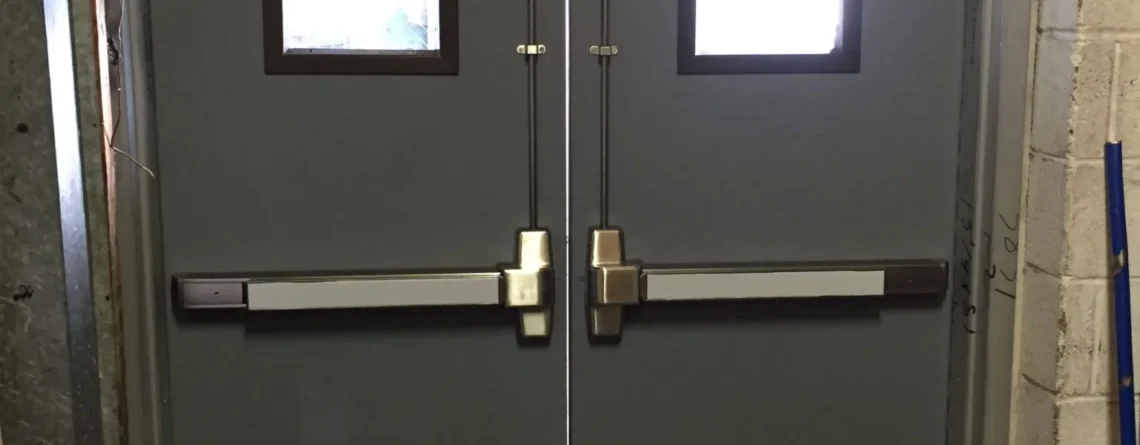
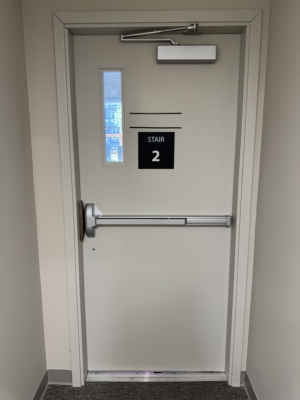
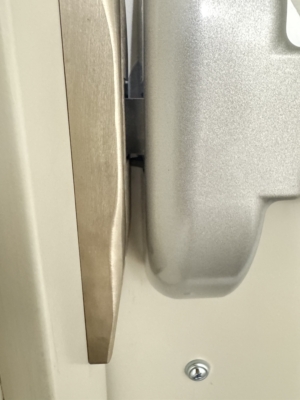
The photos in this article show examples of actual commercial door work completed by Dutch Door Hardware Ltd. Our work includes inspecting existing door openings, servicing panic hardware, adjusting door closers, correcting latch and strike alignment, and modifying commercial steel doors when required.
A panic bar may appear to be the problem, but the cause can involve the entire door assembly. The hinges, door closer, latch, strike, frame, door clearances, and previous hardware modifications can all affect how the opening operates.
These examples also show why commercial panic bar repair is not always as simple as replacing the visible push bar. A proper assessment helps determine whether the opening requires an adjustment, a hardware repair, replacement components, steel-door modification, or complete exit-device replacement.
When requesting panic bar repair Vancouver businesses can rely on, clear photos of the door and hardware can help identify the likely problem before an on-site visit.
7 Signs Your Commercial Panic Bar Needs Service
1. The Panic Bar Is Difficult to Push
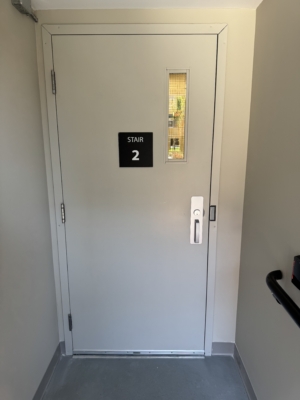
A panic bar should operate smoothly without requiring excessive force. If occupants need to push repeatedly, lean heavily against the bar, or use unusual force to open the door, the hardware should be inspected.
The problem may be caused by a damaged internal mechanism, a misaligned latch, a door that is rubbing against the frame, a door closer that is too strong, worn hinges, or pressure from weather stripping.
2. The Door Will Not Latch Properly
A commercial exit door should close and latch consistently. If the door remains partially open, bounces off the strike, or needs to be pushed or pulled into position, there may be an issue with the panic bar, strike, closer, hinges, or door alignment.
A door that will not latch can create security concerns and may prevent the opening from functioning as intended.
3. The Panic Bar Is Loose or Rattling
Loose or rattling panic hardware can indicate worn internal parts, loose mounting screws, a damaged end cap, or excessive movement inside the device.
Even a small amount of looseness can become a larger problem over time. Continued movement may damage the door, latch, mounting points, or surrounding frame.
4. The Exit Device Is Noisy or Difficult to Operate
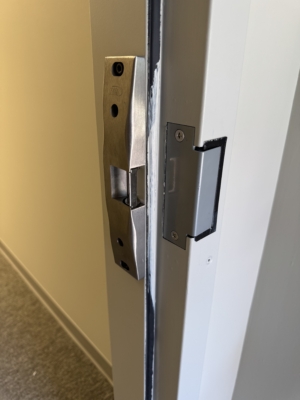
Grinding, squeaking, rattling, or clicking noises can indicate that the internal mechanism is worn or damaged.
Noise can also be caused by a latch rubbing against the strike, a door that is out of alignment, loose hardware, or a closer placing excessive pressure on the door.
The entire opening should be inspected before replacing the panic bar.
5. The Door Is Rubbing, Sagging, or Dragging
A panic bar may appear to be failing when the actual issue is a sagging or misaligned door.
Worn hinges, loose fasteners, frame movement, impact damage, or heavy use can cause the door to rub against the frame, threshold, floor, or another door in a pair.
When the door is out of alignment, the panic bar and latch can be placed under unnecessary pressure. Hinge repairs, door adjustments, frame
repairs, or steel-door modifications may be required.
6. The Panic Bar Has Been Adjusted Repeatedly
If the same exit door requires frequent adjustments, there may be an underlying problem that
has not been corrected.
Repeated adjustments may temporarily improve the door, but the problem can return if it is caused by:
- Worn hinges
- A damaged frame
- A weak or improperly adjusted door closer
- Incorrect door clearance
- A damaged latch or strike
- Excessive building traffic
- A door that is not suitable for the level of use
A commercial door is a complete system. The panic bar, door, frame, hinges, closer, strike, and latch must all work together.
7. The Panic Bar or Door Has Visible Damage
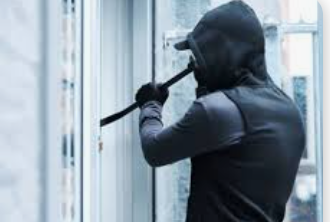
Commercial exit doors can be damaged by carts, forklifts, deliveries, attempted break-ins, vandalism, and everyday building traffic.
Visible warning signs may include:
- A bent push bar
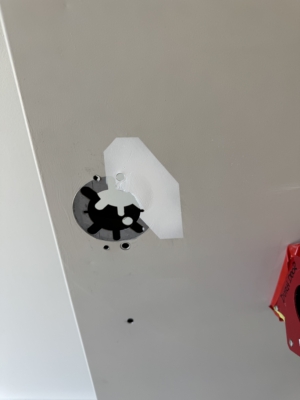
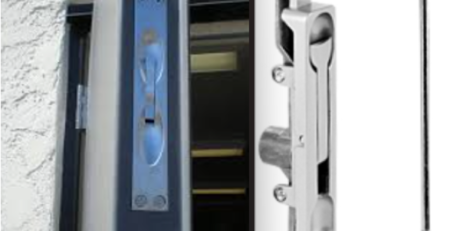
Example of commercial door hardware preparation and modification. - Cracked or missing end caps
- Damaged exterior trim
- A loose or broken cylinder
- A dented door edge
- Damage around the latch
- A bent strike
- Missing fasteners
- A distorted frame
Visible damage does not always mean the entire door assembly must be replaced. Depending on the condition of the opening, it may be possible to repair the hardware, modify the steel door, repair the frame, replace individual components, or reinforce the damaged area.
Request Panic Bar Repair in Vancouver
If you notice any of these warning signs, contact Dutch Door Hardware Ltd. before the panic bar stops working completely.
For reliable panic bar repair Vancouver businesses can rely on, send photos of the existing door and hardware or request an on-site assessment.
We can help determine whether the opening requires an adjustment, repair, replacement, steel-door modification, frame repair, or complete exit-device replacement.
Call (778) 227-5953 or request a quote for commercial panic bar repair and exit device service throughout Vancouver and the Lower Mainland.